
Cabin
Illustrative7.5 kWh
PowerCube VA800D + 1 × VB5000D
3,000 W backup output
Example loads
- LED lighting
- Fridge
- Wi-Fi router and laptops
- Water pump, run in short cycles
PowerCube stores your solar energy and takes over within 10 ms when the grid drops out. Where there is no grid at all, it runs the site on solar and batteries alone. For larger roof arrays, SolarHub with VB5000D batteries does the same job from the wall.
* With 7.5 kWh or more, or with solar supplying at the same time.
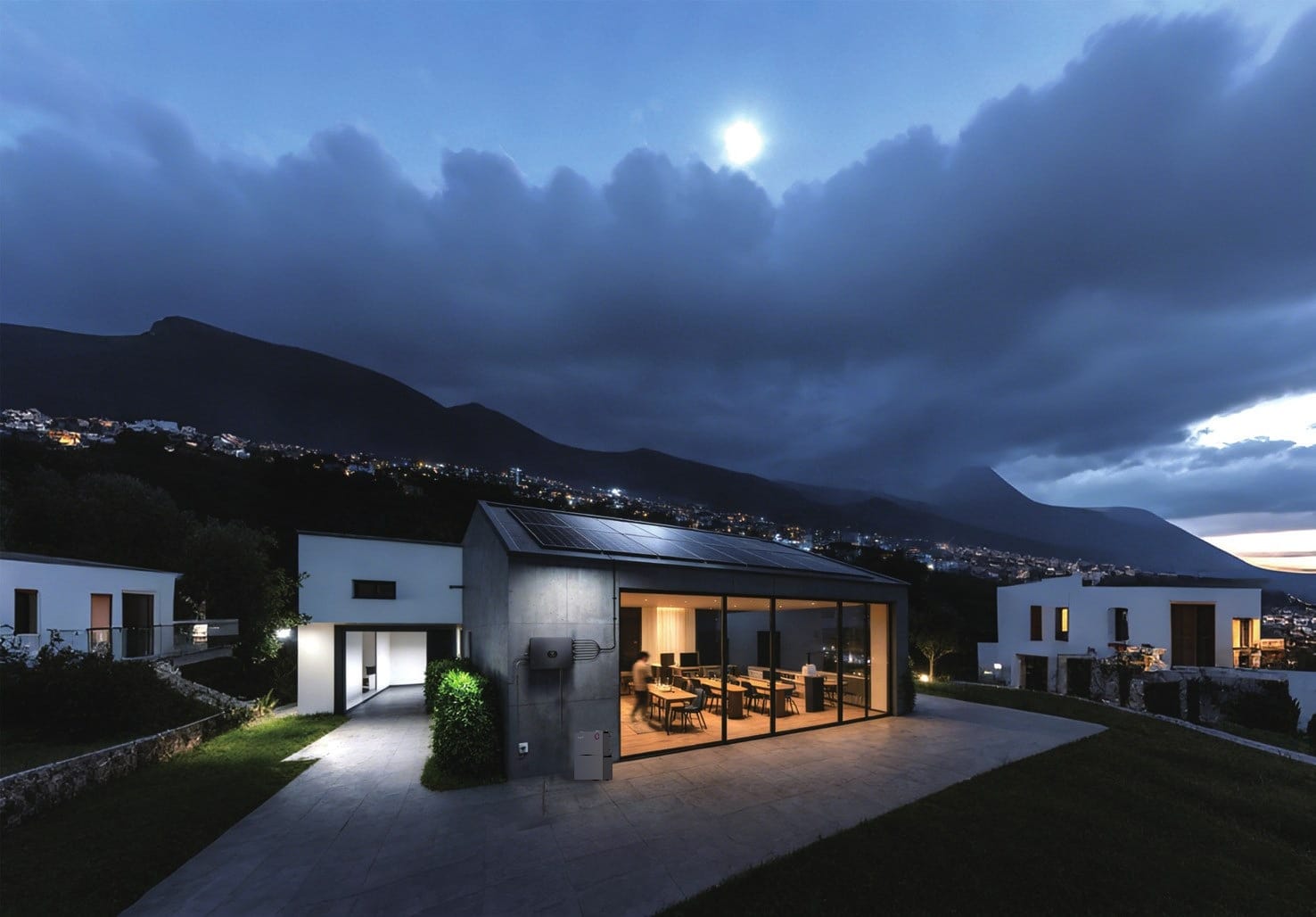
Each card shows a typical starting point. Your installer sizes the final system to your loads and solar.
Expensive diesel and frequent outages — run the home on solar and storage instead.
Lights, fridge and Wi-Fi for weekends away, with no grid connection to pay for.
Keep pumps, cold storage and barn lighting running far from the nearest line.
Ride through brown-outs and daily cuts without the house going dark.
Site offices and seasonal kiosks — installed on a level, secured base by an electrician.
The same PowerCube handles everyday solar storage, power cuts and full off-grid operation. Only the circuits on the dedicated backup (EPS) port are supplied when the grid is down.
Solar powers the home first, charges the battery with the surplus and the battery covers the evening. The grid fills any gap.
When the grid fails, the EPS port switches over in 10 ms or less. Solar and battery keep the backed-up circuits running until the grid returns.
With no grid at all, solar charges the battery by day and the battery supplies the site at night — up to 3,000 W continuous (with 7.5 kWh or more, or with solar).
PowerCube scales from 2.5 to 27.5 kWh by stacking VB5000D battery packs. The three set-ups below are illustrative starting points, not runtime promises.
7.5 kWh
PowerCube VA800D + 1 × VB5000D
3,000 W backup output
12.5 kWh
PowerCube VA2000D + 2 × VB5000D
3,000 W backup output
27.5 kWh
PowerCube VA3000D + 5 × VB5000D
3,000 W backup output
SolarHub VH800D–VH3000D with VB5000D batteries (5–25 kWh) suits larger roof arrays and weak-grid homes. Backup and off-grid use need at least one VB5000D.
A single plug-in unit up to 800 W (such as SolarCore VM800WE-P2 or SolarKit) and PowerCube VA800D may be connected by the owner where local rules allow; where national rules permit higher plug-in limits, SolarCore P4 can also be connected by plug. Other SolarCore systems on an AC trunk cable, PowerCube VA2000D and above, VB5000D packs, SolarHub, ChargeFlow and EnergyPilot are installed by a qualified electrician.
Stand the stack on a level, solid base and always fit the anti-tip kit — especially on farms and temporary sites.
List what must run, when and for how long, and check the solar you can fit. Off-grid systems are sized for the darkest weeks, not the summer.
Grid connection, backup wiring and off-grid installations are subject to national and local regulations. Your installer will confirm what applies.
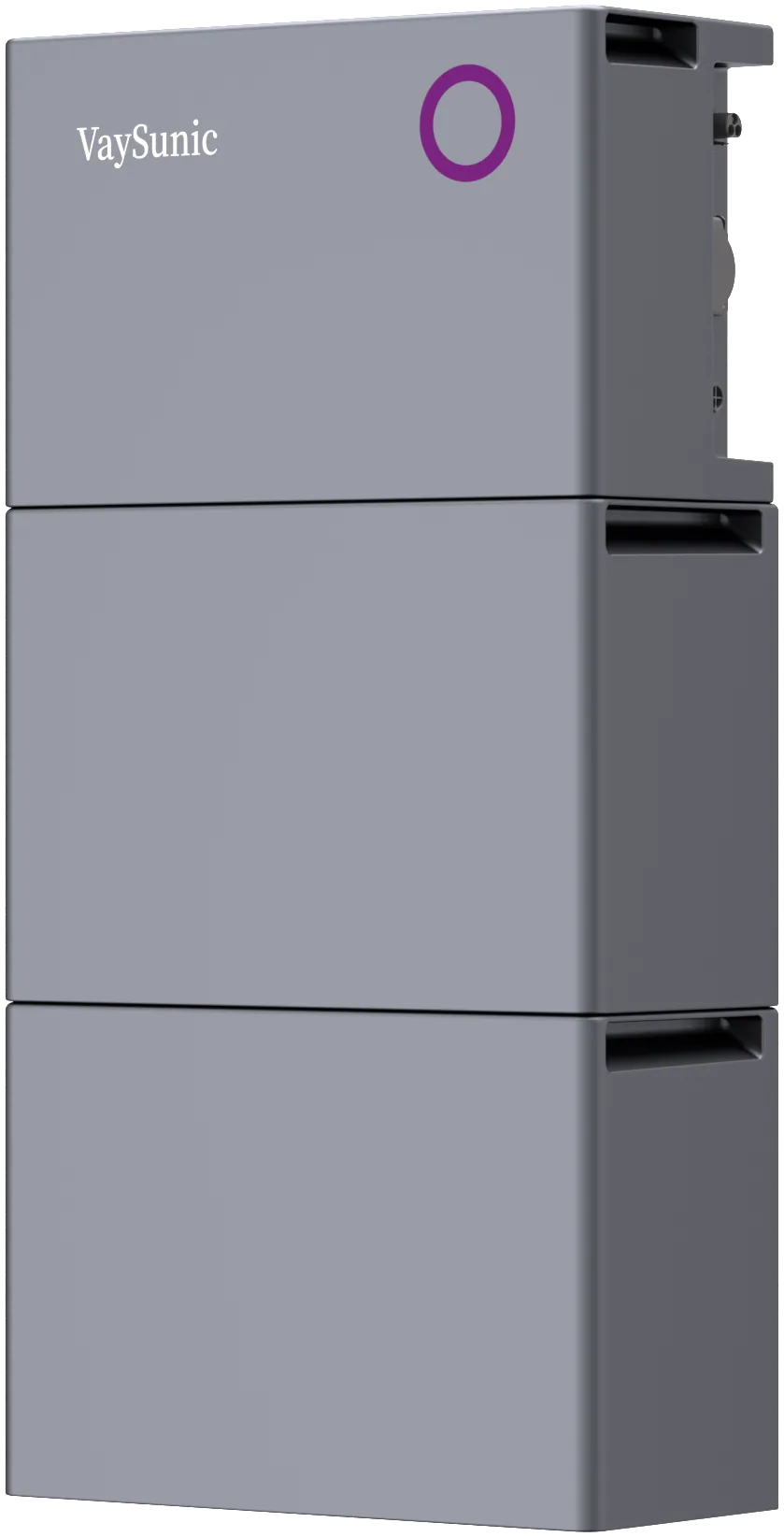
Choose the VA model, add VB5000D packs and see the height, footprint and capacity before you order.
Yes. With enough solar and battery capacity, PowerCube supplies the site on its own, up to 3,000 W continuous (1,200 W from the built-in 2.5 kWh battery alone). Size it with your installer from a list of loads and plan for the shortest, darkest days of the year.
The circuits wired to the dedicated EPS port. They switch over in 10 ms or less, so most appliances keep running. Agree with your electrician which circuits should be on the backup side.
Yes. Add VB5000D packs to the stack, up to 27.5 kWh per PowerCube system. For larger sites, several systems can run in parallel — talk to our team about the set-up.
PowerCube charges and discharges from −20 °C to 55 °C, and the battery warms itself when the cells are cold. The enclosure is rated IP66 and the VA and every VB5000D pack have built-in aerosol fire suppression.
Send us your location, the loads you need to run and any existing solar. We will suggest a set-up and, where we can, refer you to an installer in your area.