
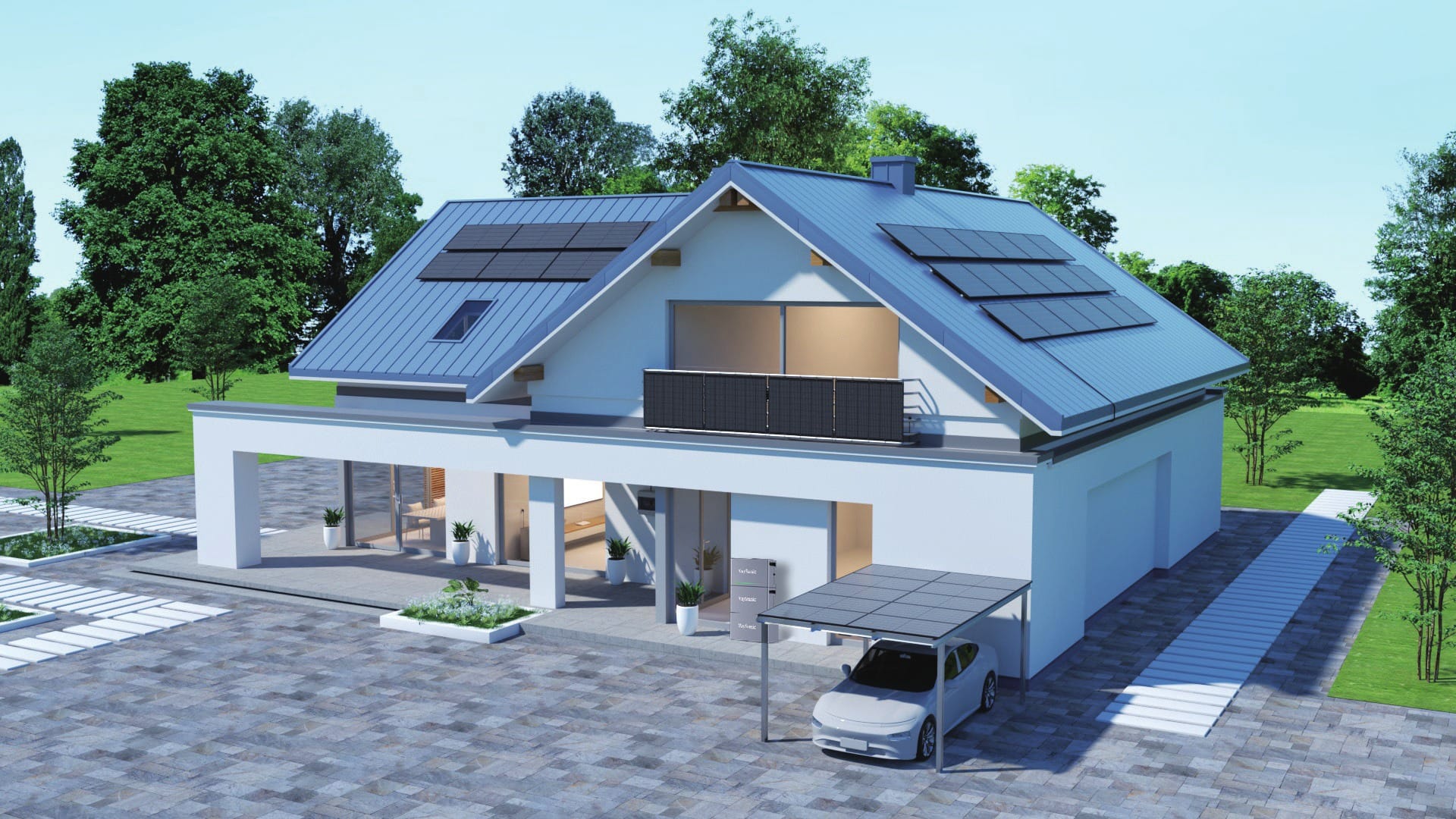
SolarHub VH + VB5000D
VH800D · VH2000D · VH2500D · VH3000D
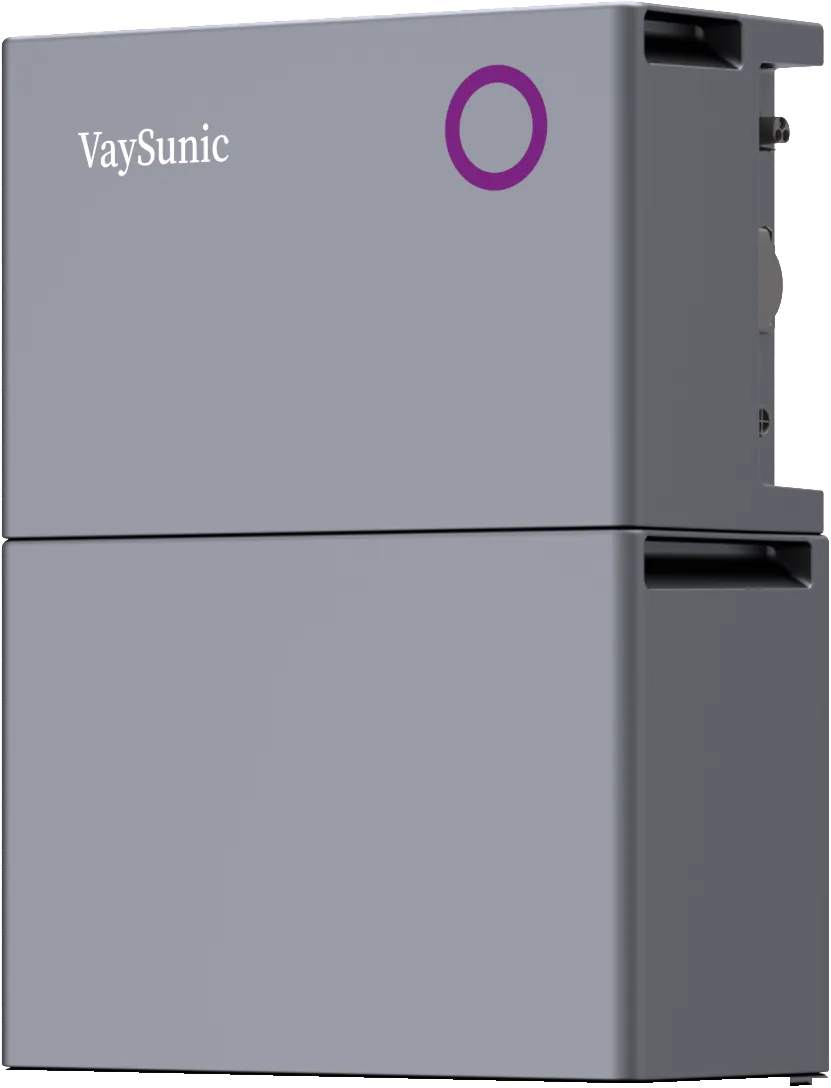
A slim outdoor hybrid microinverter with four MPPT inputs, paired with VB5000D battery packs where there is room for them.
4 MPPTPV inputs
Up to 3,000 WPV input
VB5000DBattery packs
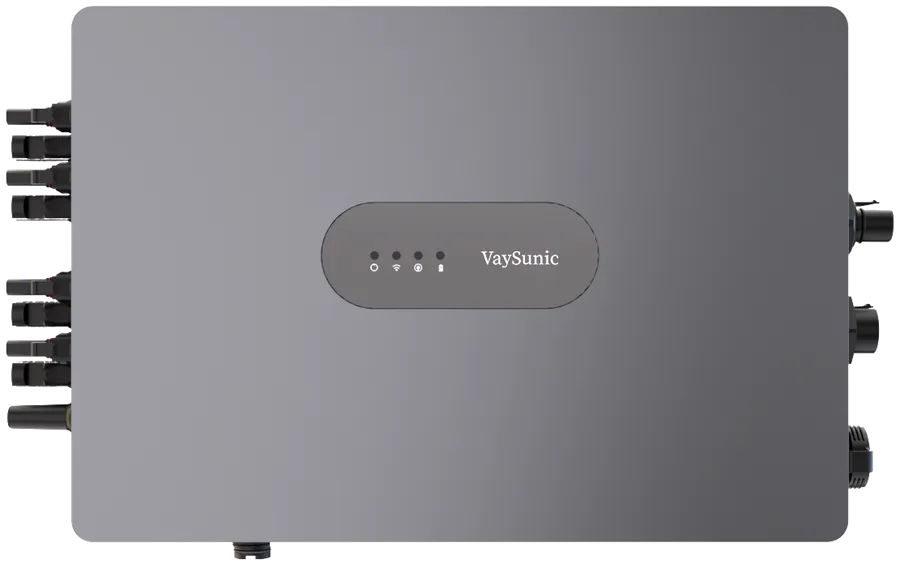
Connect your PV modules, store the surplus and keep the lights on when the grid goes down. Choose a slim SolarHub with VB5000D packs, or an all-in-one PowerCube that stacks up to 27.5 kWh.
Both combinations share the same electrical platform, the same battery packs and the same app. The difference is how the system is packaged.
A slim outdoor hybrid microinverter with four MPPT inputs, paired with VB5000D battery packs where there is room for them.
Inverter and 2.5 kWh battery in one VA unit. Stack VB5000D packs underneath as your needs grow.
Not sure? Tell us about the site and we will suggest a configuration.
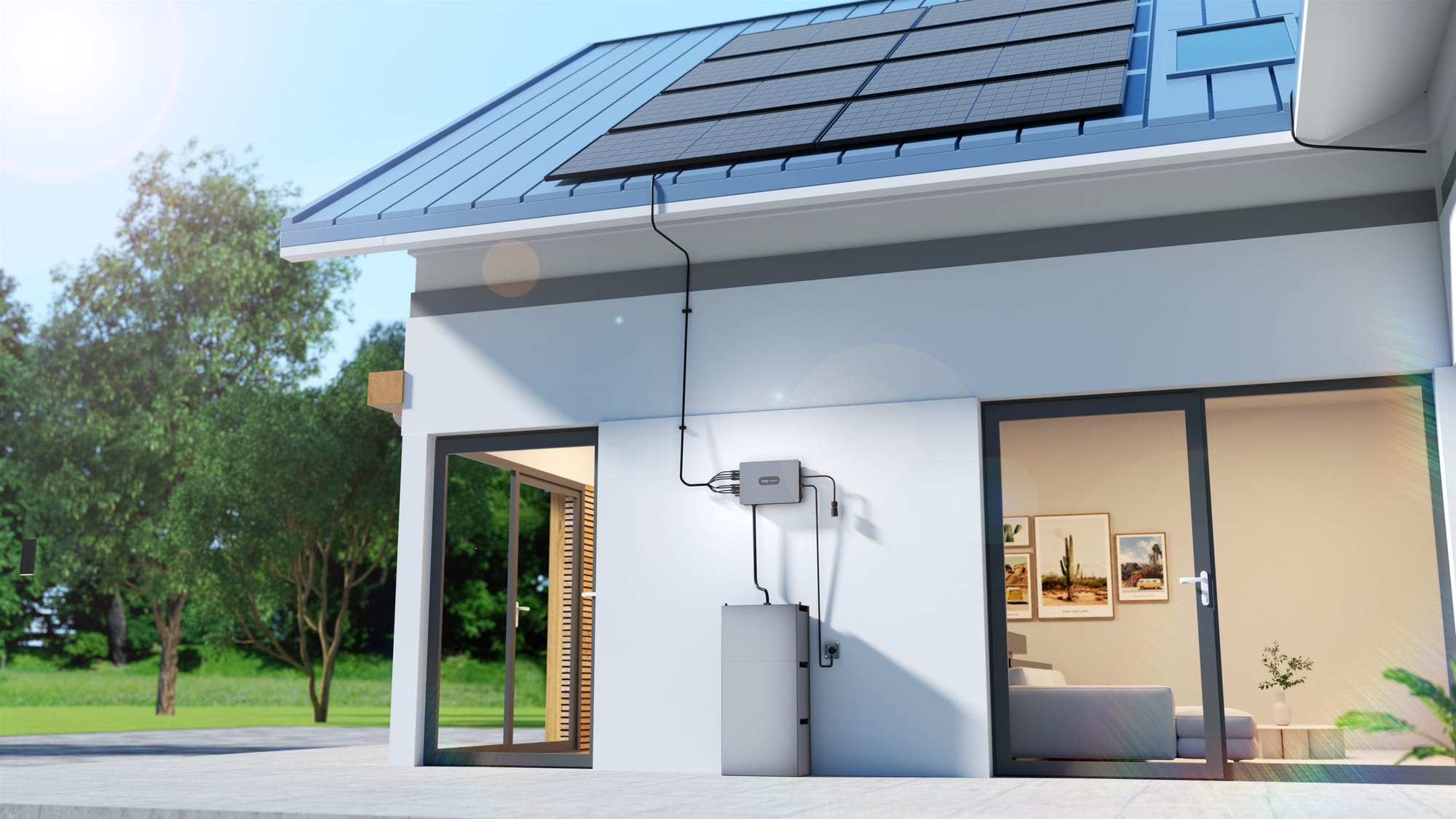
Solar comes in through four MPPT inputs. The hybrid unit powers the home, charges the battery with the surplus and switches the EPS port to battery power when the grid fails.
Solar supplies the home first, surplus charges the battery, and the grid balances the rest.
Simplified diagram. Backup loads must be wired to the EPS port.
Both hybrid set-ups grow with VB5000D packs of 5 kWh each — start with what you need today and add packs later.
The VA unit has 2.5 kWh built in; each VB5000D adds 5 kWh, up to five packs.
Yes, in two ways. Existing microinverters can be connected directly and keep running as part of the hybrid set-up. To add more solar, SolarCore (VM series) microinverters join through the home's AC wiring, alongside the four MPPT inputs on PowerCube or SolarHub — so PV power can grow beyond the inputs on the unit. Add EnergyPilot and it becomes one smart system: it measures the grid connection and coordinates solar, battery and loads, so surplus AC solar goes into the battery instead of the grid. Third-party inverters are monitored, not controlled. We check the details for each site.
Yes. When the grid fails, the EPS port switches to battery and solar within 10 ms and supplies up to 3,000 W. Battery-only output depends on the number of packs (PowerCube with the built-in battery alone: 1,200 W; SolarHub with one pack: 2,500 W). Backup loads need to be wired to the EPS port.
Yes. Add VB5000D packs as your needs grow — up to 27.5 kWh with PowerCube or 25 kWh with SolarHub. New and existing packs can be mixed.
Modules that suit the MPPT inputs, with an open-circuit voltage that stays below 60 V at the lowest expected site temperature.
In the VIP Cloud app. Installers and distributors use VIP Professional to look after many sites.
Tell us about the site, the household and the backup loads. We will come back with a configuration and datasheets.